
Family Resources
How to Prevent Falls in an Older Adult’s Home: A Room-by-Room Guide
Falls are the leading cause of injury for older adults. Use this room-by-room home safety checklist to lower fall risk and keep your loved one steady on their feet.
One in four Americans aged 65 and older falls each year, and a fall that seems minor can begin a difficult cycle of injury, hospitalization, and lost independence. The encouraging news: most falls are preventable, and a careful room-by-room review of the home is one of the highest-impact steps a family can take.
Use this guide to walk through each space and address common hazards.
Entryways and hallways
- Remove or secure loose throw rugs with non-slip backing or double-sided tape.
- Ensure walkways are wide enough for a walker or cane and free of clutter, cords, and low plants.
- Install motion-sensor night lights along the path from the bedroom to the bathroom — the most-traveled, highest-risk route in the home.
Bathroom
The bathroom is the single most dangerous room in the home for older adults.
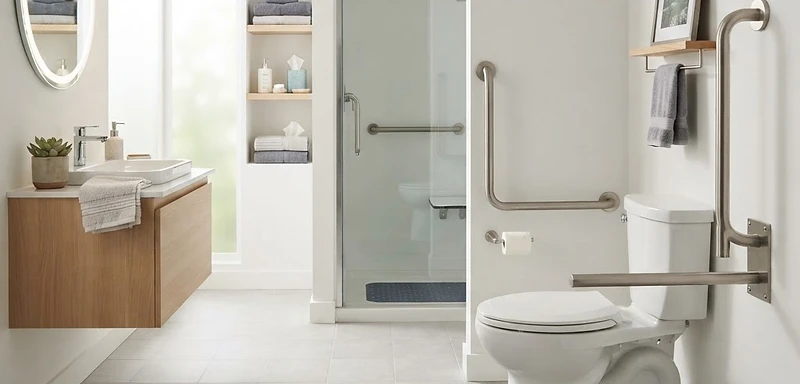
- Install grab bars next to the toilet and inside and outside the shower. Towel bars are not load-bearing and should never substitute for grab bars.
- Place a non-slip rubber mat both inside and just outside the tub or shower.
- Consider a shower chair and a handheld showerhead so bathing can be done seated.
- Raise the toilet seat with a raised toilet seat with armrests if standing from a low seat is difficult.
Kitchen
- Move frequently used items to waist-to-shoulder height so no reaching or step stool is needed.
- Replace loose floor mats with a single low-profile non-slip mat.
- Ensure a working smoke detector and a fire extinguisher are within easy reach.
Living room and bedrooms
- Arrange furniture so there is a clear, wide path for walking — and for a quick exit at night.
- Position the bed at a height where the senior's feet rest flat on the floor when sitting on the edge, making standing easier and safer.
- Keep a lamp, phone, and eyeglasses within arm's reach of the bed. Consider a sturdy bedside grab rail.
- Remove low glass coffee tables that can't be seen at shin height.
Stairs
- If possible, relocate the senior's main living area to one floor to avoid stairs entirely.
- Install secure handrails on both sides of any staircase.
- Apply non-slip treads to each step and ensure the stairway is brightly lit at both top and bottom.
Lighting throughout the home
Poor lighting is a fall risk that is easy to fix and often overlooked. Replace dim bulbs with bright, even lighting, use lampshades that reduce glare (which is harder on aging eyes), and make sure light switches are reachable at the entrance of every room.
Beyond the home: the role of personal care
Physical factors also drive fall risk: weak leg muscles, poor-fitting footwear, certain medications that cause dizziness, and untreated vision or hearing problems. A personal care aide can help with safe transfers, steadying walks, and medication reminders — and can notice and report changes in balance before they become a fall.
At Humble Hands Home Care, our caregivers help families throughout the Greater Philadelphia area build safer home environments and provide steady, watchful support. Reach out for a free consultation — no physician's order is needed to begin.
Ready for a little extra support at home?
Compassionate caregivers serving Philadelphia and the surrounding counties. No doctor's order needed to begin.